Saturday, December 23, 2023

Medical Negligence in India - A Comprehensive Examination

The Central Government of India through an amendment to the new criminal code bill lowered the punishment for doctors on medical negligence cases. Earlier, if there was a death due to the negligence of a doctor, it was also treated as criminal negligence, almost akin to murder. The amendment was brought following a request from the doctors’ body, the

According to Clause 106 of Bharatiya Nyaya Sanhita, 2023, which seeks to replace the IPC, the offense of “causing death by negligence” has a punishment provision of up to five years of imprisonment and a fine. The central government has now introduced an official amendment that says “If such an act is done by a registered medical practitioner while performing a medical procedure, he shall be punished with imprisonment of either description for a term which may extend to two years and shall also be liable to fine.” An amendment has also been made in the Bharatiya Nagarik Suraksha Sanhita 2023 (replacement of CrPC) to make the offense “cognizable” and “bailable”.


1.    Background:

Medical negligence in legal terms refers to the breach of a duty of care, which results in damage. The damages may be in monetary terms, health terms, derogating the condition of the patient, causing trauma to the patient, leaving the patient in irredeemable condition for the rest of his/her life, etc. India has inherited the principles of English law and most of the contemporary laws prevailing in India are the direct consequence of the inheritance of the laws from English law. One such principle is the case of Bolam v. Friern Hospital Management Committee (1957).

In Bolam’s case, the court held that “If an error would not have been made by a reasonably competent professional man professing to have the standard and type of skill that the defendant held himself as having and acting with ordinary care, then it is negligence. If, on the other hand, it is an error that such a man, acting with ordinary care, might have made, then it is not negligence”.

The Supreme Court of India, in the case of Kusum Sharma & Ors v. Batra Hospital & Medical Research (2010), held that “Negligence is the breach of a duty exercised by omission to do something which a reasonable man, guided by those considerations which ordinarily regulate the conduct of human affairs, would do, or doing something which a prudent and reasonable man would not do”.

The landmark Indian Supreme Court case of Jacob Mathew v. State of Punjab & Anr (2005) laid down crucial guidelines for distinguishing between medical accidents and criminal negligence by doctors. The Court clarified that simply because a medical procedure results in an unfortunate outcome, it doesn't automatically amount to criminal negligence.

2.    Essentials of medical negligence: To establish negligence against a doctor, the essentials are:

  • Duty of Care: If the doctor owed a duty of care towards the patient or person who has suffered mental and physical injury, then the doctor is guilty of medical negligence and shall be expelled to practice further.

  • Breach of Duty: The second factor is the establishment of the fact that despite the doctor owing a duty of care towards the patient, the former failed to fulfill such duty and has breached his duty towards his/her profession.

  • Causing of injury: It must be established that a doctor owed a duty of care towards the patient and he/she failed in fulfill his duty and such failure has resulted in injury or death to the patient.

  • It is only negligence if the aggrieved party establishes all these factors in a court of law.

3.    Spectrum of medical negligence: The spectrum of medical negligence in India encompasses diverse scenarios, including:

  • Misdiagnosis and delayed diagnosis: Failure to timely identify or diagnose ailments, leading to misdirected treatment and potentially compromised outcomes.

  • Surgical errors: Lapses in surgical technique or judgment resulting in unintended complications or harm.

  • Prescription errors: Mis-prescription or incorrect medication administration, causing adverse reactions or unintended consequences.

  • Lack of informed consent: Inadequate or absent information provided to patients before procedures, violating their right to make informed decisions.

  • Hospital negligence: Inadequate infrastructure, staffing, or hygiene standards within healthcare facilities jeopardizing patient safety.

4.    Navigating the Legal Landscape: The legal framework for addressing medical negligence in India primarily rests on the following pillars:

  • Indian Penal Code (IPC): Section 304A addresses causing death by negligence, while Section 221 deals with rash and negligent acts endangering life.

  • Consumer Protection Act (CPA): Recognizes healthcare as a service, empowering patients to seek redressal for deficient treatment through consumer courts.

  • Tort Law: Principles of negligence and breach of duty of care provide legal recourse for harm suffered due to medical professionals' actions.

  • Medical Council of India (MCI) and State Medical Councils: These regulatory bodies have disciplinary powers over doctors, including suspension or censure in cases of gross negligence.


5.    Challenges and Concerns: Both patients and healthcare providers face distinct challenges within the medico-legal framework:

  • Patients: The burden of proof often lies with the patient, requiring expertise and resources to navigate complex legal procedures. Additionally, inadequate awareness about legal rights and fear of retribution can deter patients from seeking compensation.

  • Doctors: The threat of litigation creates a defensive practice environment, potentially influencing clinical decisions. Additionally, concerns about frivolous lawsuits and lengthy legal processes can be demotivating.

6.    Global Comparative Analysis: The following is a comparative analysis of medical negligence in India and internationally, examining key similarities, differences, and emerging trends.

Similarities:

  • Common Law roots: Many countries, including India, the United States, and Canada, base their medical negligence laws on the common law principle of "reasonable man" negligence. This standard requires proving that the healthcare provider deviated from the accepted standard of care, resulting in harm to the patient.

  • Patient compensation: Across jurisdictions, the primary objective of medical negligence law is to compensate patients for the harm they have suffered, including physical injury, emotional distress, and financial losses.

  • Informed consent: The right to informed consent, where patients must be adequately informed about potential risks and benefits before undergoing procedures, is recognized in international law and most national frameworks, including India.

  • Professional regulation: Medical councils oversee the practice of doctors and nurses, investigating complaints and taking disciplinary action in cases of negligence.

Differences:

  • Standard of care: While the "reasonable man" standard forms the basis in several countries, India and the UK follow a modified version, the "Bolam test," which considers the accepted practice of skilled professionals in similar circumstances. The United States, however, often applies a "locality rule," considering the prevailing standard in the specific geographic area.

  • The burden of proof: The burden of proof in medical negligence cases often rests with the patient. However, some countries like Australia have adopted "reverse burden of proof" clauses in specific situations, placing the onus on the healthcare provider to demonstrate they did not deviate from the standard of care.

  • Compensation caps: Certain countries have implemented statutory caps on compensation for medical negligence, while others, like India, rely on judicial discretion based on the specific circumstances of each case.

  • Specialized courts: Some countries, like Germany, have dedicated medical negligence courts with judges and medical experts, aiming for faster and more specialized case resolution.

Emerging Trends:

  • Mediation and alternative dispute resolution (ADR): Promoting mediation and other ADR mechanisms is gaining traction internationally, offering faster and less adversarial solutions than traditional litigation.

  • Electronic medical records (EMRs): EMRs are increasingly used as evidence in medical negligence cases, providing a valuable record of healthcare decisions and actions.

  • Patient safety initiatives: The global focus on patient safety initiatives highlights the importance of preventing negligence through proactive measures and risk management strategies.

The Road Ahead: Addressing medical negligence effectively requires a multi-pronged approach:

  • Promoting patient awareness: Patient education regarding rights and access to legal aid can empower them to seek redressal.

  • Strengthening regulations: Streamlining medico-legal procedures and fostering a culture of transparency and accountability within healthcare institutions can deter negligence.

  • Enhancing medical education: Emphasizing ethical practices, informed consent, and documentation in medical training can minimize errors and improve communication.

  • Open communication and dialogue: Fostering trust and communication between patients and healthcare providers can create a collaborative environment for resolving potential issues.

Medical negligence in India remains a complex and sensitive issue, demanding a balanced approach that safeguards patient rights while acknowledging the challenges faced by healthcare professionals. By implementing comprehensive reforms, promoting awareness, and fostering empathy and communication, India can pave the way for a healthcare system built on trust, transparency, and accountability, where the pursuit of healing surpasses the burden of negligence.

Wednesday, May 27, 2015

Technology & Medicine

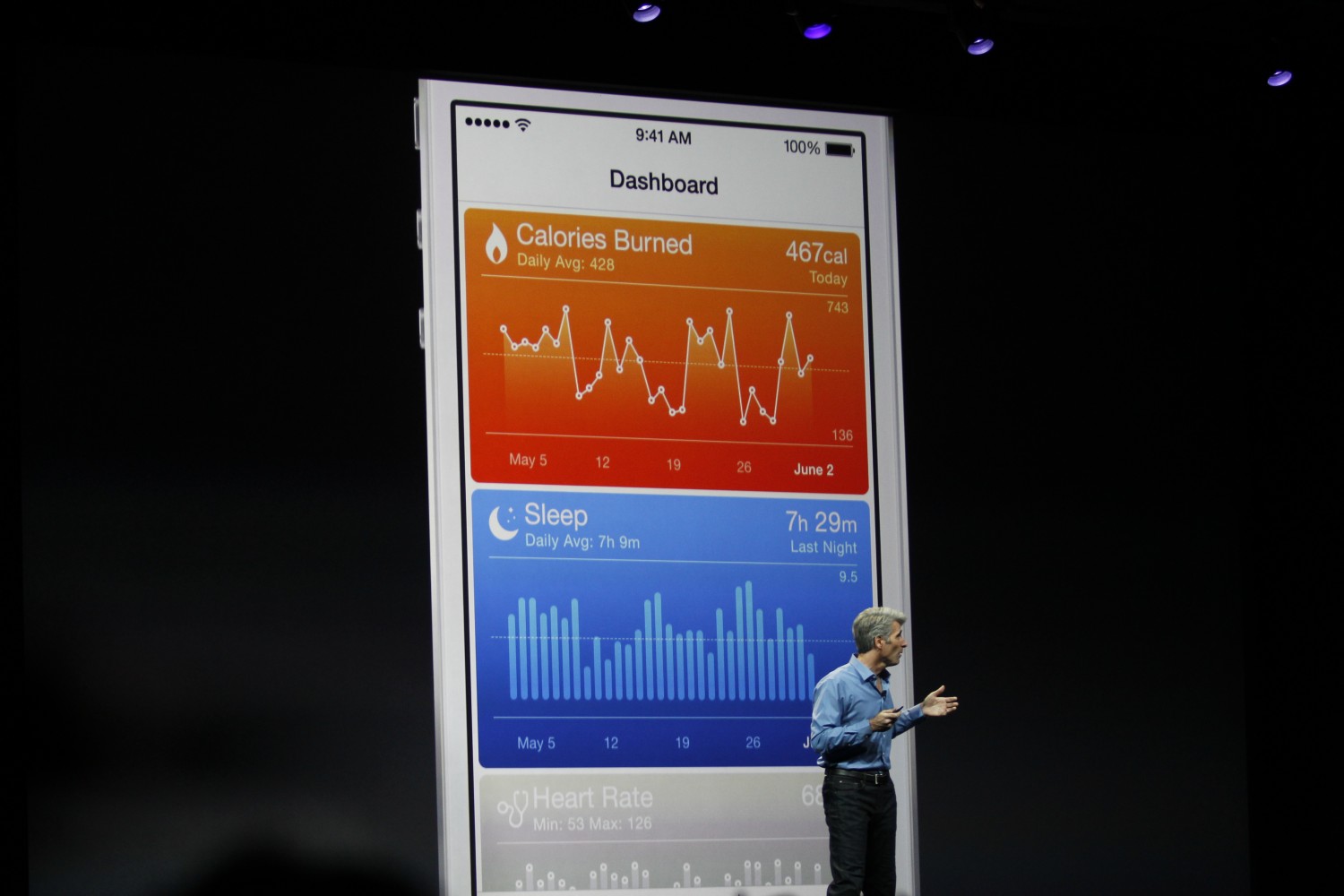
The most significant announcement that Apple made in 2014 wasn’t a larger-sized iPhone. It was that Apple is entering the health-care industry. With HealthKit, it is building an iTunes-like platform for health; Apple Watch is its first medical device. Apple is, however, two steps behind Google, IBM, and hundreds of startups. They realized much earlier that medicine is becoming an information technology and that the trillion-dollar health-care market is ripe for disruption.


2015 will be the year in which tech takes baby steps in transforming medicine. The technologies that make this possible are advancing at exponential rates; their power and performance are increasing dramatically even as their prices fall and footprints shrink. The big leaps will start to happen at around the end of this decade.


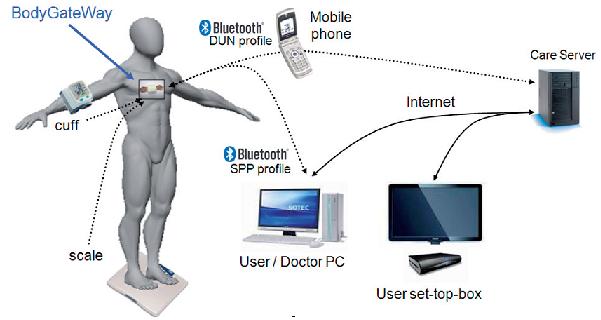
The health devices that companies such as Apple, Microsoft, and Samsung are developing are based on MEMS sensors, which are one of the exponential technologies. These enable the measurement of things such as heart rate, temperature, blood pressure, and activity levels and can feed data into cloud-based platforms such as HealthKit. They will be packaged in watches, Band-Aids, clothing—and contact lenses. Yes, Google announced in January that it is developing a contact lens that can measure glucose levels in a person’s tears and transmit these data via an antenna thinner than a human hair. In July, it said that it was licensing the technology to Novartis, enabling it to market it to people with diabetes. We will soon have sensors that monitor almost every aspect of our body’s functioning, inside and out.


Advances in Microfluidics are making possible the types of comprehensive, inexpensive diagnostics that in a single drop of blood, it can test for things such as cancer, cholesterol, and cocaine. Newer technologies coming from Nano biophysics like Gene-Radar, a portable nanotechnology platform that uses biological nanomachines to rapidly and accurately detect the genetic fingerprints of organisms. It will enable the detection of diseases such as HIV and Ebola and deliver the results to a mobile device within minutes—for a hundredth of the cost of conventional tests. By combining these data with EMR (Electronic Medical Records) and the activity and lifestyle information that our smartphones observe, Artificial Intelligence-based systems will monitor us on a 24 x 7 basis. They will warn us when we are about to get sick and advise us on what medications we should take and how we should improve our lifestyle and habits. 

With the added sensors and the apps that tech companies will build, our smartphone will become a medical device akin to the Star Trek tricorder. With health data from millions of patients, technology companies will be able to take on and transform the pharmaceutical industry—which works on limited clinical-trial data and sometimes chooses to ignore information that does not suit it. These data can be used to accurately analyze what medications patients have taken, to determine which of them truly had a positive effect; which simply created adverse reactions and new ailments; and which did both.


And then there is the genomics revolution. The cost of sequencing a human genome has fallen from $100 million in 2001 to about $1000 today and will likely cost as much as a blood test by the end of this decade. What this means is that the bits and bytes that make up a human being have been deciphered; for all intents and purposes, we have become software.


2014 marked an inflection point in the technology curve for medicine. It isn’t yet clear which technology advances will indeed affect humanity and which will be nothing more than cool science experiments. What is clear is that we have entered an era of acceleration and that there is much promise and peril ahead.

Sunday, July 27, 2014

Wearable Health Technology: The future of medical devices

The terms “wearable technology“, “wearable devices“, and “wearables” all refer to electronic technologies or computers that are incorporated into items of clothing and accessories which can comfortably be worn on the body. These wearable devices can perform many of the same computing tasks as mobile phones and laptop computers; however, in some cases, wearable technology can outperform these hand-held devices entirely. Wearable technology tends to be more sophisticated than hand-held technology on the market today because it can provide sensory and scanning features not typically seen in mobile and laptop devices, such as biofeedback and tracking of physiological function.

Generally, wearable technology will have some form of communications capability and will allow the wearer access to information in real time. Data-input capabilities are also a feature of such devices, as is local storage. Examples of wearable devices include watches, glasses, contact lenses, e-textiles and smart fabrics, headbands, beanies and caps, jewelry such as rings, bracelets, and hearing aid-like devices that are designed to look like earrings.


As the potential uses in various fields continues to grow, the sociological and cultural impact wearable technology will have in the future should not be minimized. Already, the current hand-held devices available to consumers, such as Smart Phones, iPods and tablets, have changed the technological and social landscapes on a global scale, such that, walking out in public and seeing an individual engaging with a hand-held device is commonplace. Such an image was nonexistent only 20 years ago. With that in mind, developers and analysts predict that wearable technology will very quickly change the technological and cultural landscapes once again, and may even change the nature of mobile phones and other hand-held devices entirely.

The first round of technology may be limited, but eventually the companies could compete in a global blood-sugar tracking market worth over $12 billion by 2017, according to research firm GlobalData.


Non-invasive technology could take many forms. Electricity or ultrasound could pull glucose through the skin for measurement, for instance, or a light could be shined through the skin so that a spectroscope could measure for indications of glucose.


Google has been public about some of its plans: it has developed a “smart” contact lens that measures glucose. In a blog post detailing plans for its smart contact lens, Google described an LED system that could warn of high or low blood sugar by flashing tiny lights. It has recently said it is looking for partners to bring the lens to market.
Modal Trigger
Google is developing a contact lens to help diabetics manage their blood sugar levels.Photo: Getty Images
The device, which uses tiny chips and sensors that resemble bits of glitter to measure glucose levels in tears, is expected to be years away from commercial development, and skeptics wonder if it will ever be ready.
Previous attempts at accurate non-invasive measurement have been foiled by body movement, and fluctuations in hydration and temperature. Tears also have lower concentrations of glucose, which are harder to track.

Saturday, April 26, 2014

Analytics - Embracing new technology for future business

Every year, companies and individuals generate billions of gigabytes of data. Data, which properly analyzed
and used in time, can emerge as an unbeatable competitive advantage. Enterprises need to recognize the
prospect analytics represents and should adapt their IT strategy to capture such opportunities’. Analytics can help retailers predict buying decisions of shoppers; it can help banks weed out fraudulent transactions; while
governments can use analytics to provide services directly to their citizens. Predictive analytics has also been
adopted across industries in various scenario building activities.

Companies have always kept large amounts of information. While it’s true that the amount of data in the world keeps growing, the real change has been in the ways that we access that data and use it to create value. Today, you have technologies like Hadoop, for example, that make it functionally practical to access a tremendous amount of data, and then extract value from it. The availability of lower-cost hardware makes it easier and more feasible to retrieve and process information, quickly and at lower costs than ever before17. It is the convergence of several trends—more data and less expensive, faster hardware—that’s driving this transformation. The concept of analytics has been around for decades for firms that have been handling tons of transactional data over the years—even dating back to the mainframe era. The world is moving from ‘Traditional analytics’ to ‘Predictive analytics’ and now increasingly towards ‘Prescriptive analytics’ (where the decisions are driven by predictive models using business rules engines to help the companies to decide the “next best action”).

The recent spurt in demand for analytics (as well as big data) can be attributed to two main factors:

Convergence of computing technologies: 
Analytics is the natural result of four major global trends: Moore’s Law (which basically says that technology always gets cheaper), mobile computing (that smart phone or tablet in your hand), social networking (Facebook), and cloud computing. Moreover, traditional data management and analytics software and hardware technologies, open-source technology, and commodity hardware are merging to create new alternatives for IT and business executives to address this next generation of analytics.

Exponential increase in data:
Large volumes of transactional data have been around for decades for most big firms, but the flood gates have now opened with more volume , and the velocity and variety— the three Vs—of data that has arrived in unprecedented ways.

The three V’s of Analytics


A wide variety of data sources are contributing to the analytics revolution:
• Internet data (i.e., social media, social networking links)
• Primary research (i.e., surveys, experiments, observations)
• Secondary research (i.e., industry reports, consumer data, business data)
• Location data (i.e., mobile device data, geospatial data)
• Image data (i.e., video, satellite image, surveillance)
• Supply chain data (i.e., vendor catalogs and pricing, quality information)

• Device data (i.e., sensors, RF devices, telemetry)

Uses of analytics
We are witnessing the use of analytics in multiple industries. Companies are using analytics for
everything from driving growth to reducing cost improving operational excellence to recruiting better
people to completely transforming their business strategy. More recently, national and local governments
across the world have started using analytics for optimizing public welfare programs, reducing traffic
congestion in their cities and fighting crime.


Big Data and analytics in the Indian sub-continent is at a nascent stage, however, the sectors like financial services and telecom have started to adopt these technologies. Also, other sectors including ecommerce are also among the early adopters of the technology to solve the issues of storing as well as creating business advantage from the everlasting data records.


With organizations generating multitude of data from every possible sources, it is paramount to identify which data will be more useful than others. Moreover, some of the data might not even be present inside the traditional boundaries of an organization, and might be available with its customers and suppliers. Organizations need to sift through the gigabytes of data generated every day, and identify the streams of data that can make a difference.

Analytics scenario in India
The usage of analytics is still at nascent stage as far as Indian businesses are concerned. While some industries like banking and telecom have started adopting analytics to get ahead of the competition, several factors have inhibited its growth. India’s largest telecom operator, Bharti Airtel has been one of the foremost adopters of analytics, analyzing usage and charging patterns with the help of predictive analytics. Airtel works extensively with IBM for its analytics requirements. Its latest campaign, 'My Airtel My Offer', is based on customer analytics - every day, the company comes up with a customized plan for its customers based on their usage. It has been most effective with users who hold dual SIM cards and who decide to go with Bharti based on the offer they get on a given day